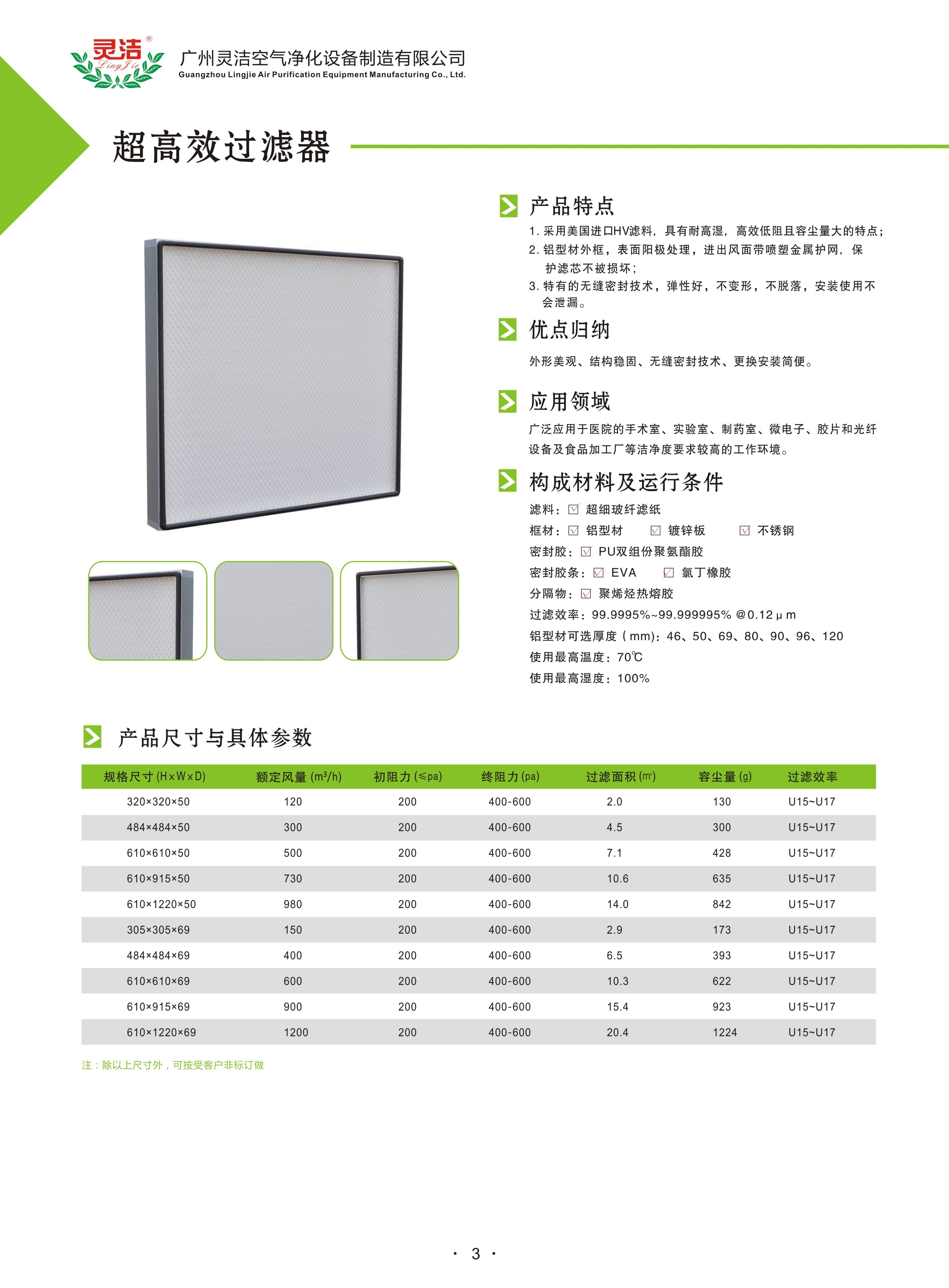
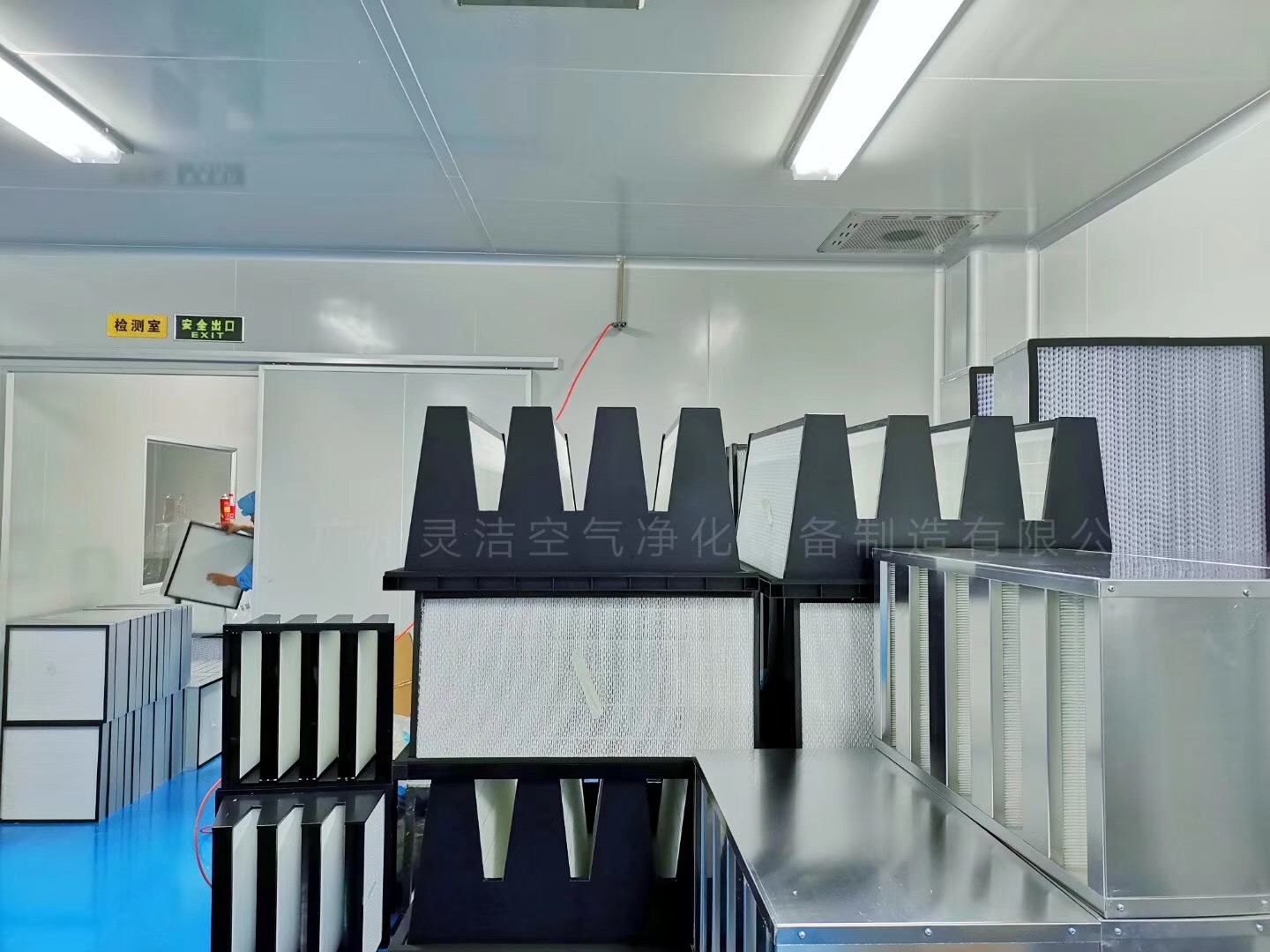
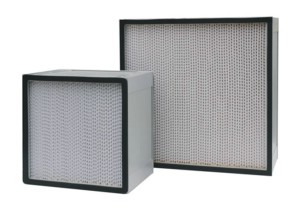
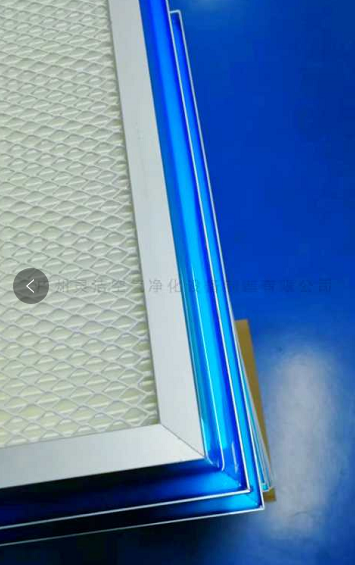
成(chéng)都製(zhì)藥廠(chǎng)高效過濾器
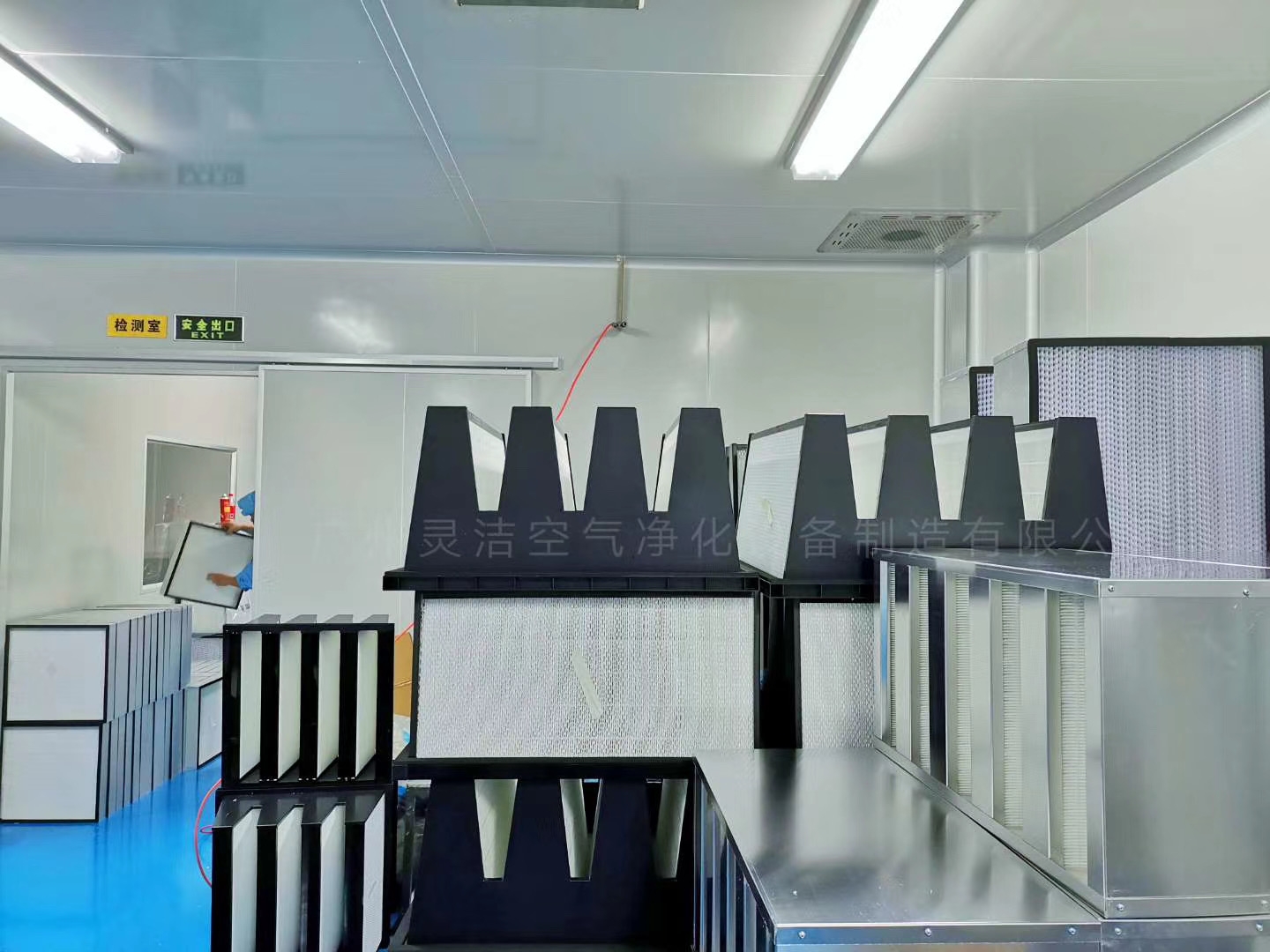
所屬分類(lèi):成都(dōu)高效過濾器
- 點(diǎn)擊次數:
- 發布日期:2020/11/26
- 在線詢價
關於高效過濾器(qì)的更換周期方麵的問題(tí),很多潔淨室用戶都很關心,畢竟高效(xiào)過濾器決定著潔淨室的潔淨度能否(fǒu)達到標準,就(jiù)在前方嫩草影院也整理過相關方麵(miàn)的問題:高效過濾(lǜ)器的(de)更換(huàn)標準
In the pharmaceutical industry, HEPA filters are used as terminal filters for the processing or filtration of air in production spaces. They are mandatory in sterile production, although they are sometimes also used in the manufacture of solid or semisolid dosage forms. Amongst the HEPA or high-efficiency particulate air filters are Filter Classes H13 to H14 (DIN 1822), the latter with a retention rate of 99.995%. But how often do they need to be changed?
在製藥行業,高效過濾器(HEPA)用於生產空間空氣的處理和過濾的終端過濾器。無菌生產要求強製使用高效過濾器,而固體和半固體劑型的生產有(yǒu)時(shí)也會(huì)使用。H13至H14(DIN1822)是(shì)高效過濾器的兩(liǎng)種,後者截留率為99.995%。但多(duō)久必須更換(huàn)一次呢?
One can frequently find internal company guidelines according to which the filters should be changed annually, regardless of monitoring results. Is that sensible? An exact number, meaning the maximum duration of use for HEPA filters in months, cannot be found in the relevant GMP guidelines. According to GMP, the filter has to be free of leaks. This is verified by qualification and regularly performed leak tests as per ISO 14644-3, which are mandatory for sterile facilities. According to the technical 參考:(www.ljinghua.com)interpretation of the Annex 1 (PIC/S PI 032-2), leak tests are to be performed every six months in A/B zones and every twelve months in C/D zones. The FDA Aseptic Guide demands a regular inspection. The requirements of Annex 1 can be applied here as well. Leaks may be repaired; those repaired areas may only take up 0.5% of the filter surface per filter.

製藥廠高效過濾器一般多久更換?
我(wǒ)們經常看到(dào)在公司內部文件(jiàn)中,要求每年更換過濾器,而(ér)不(bú)管檢測結果如何。這是否合理?在相關的GMP指南中並沒有高效過濾器可(kě)以(yǐ)使用期限的具體數值。根據GMP的要求,過濾器不(bú)得有泄漏,這需要通過確認和定期執行ISO14644-3中的泄(xiè)漏測試,無(wú)菌(jun1)車間來說這(zhè)是必須的。根據附錄1(PIC/S PI032-2)的技術詮釋,A/B級每6個月進行泄漏測試,C/D級則為12個月。FDA無菌(jun1)指南要求進行定期檢查。附錄(lù)1的要求在這裏也適用。泄漏是可以修補的,但修補(bǔ)的麵積不能(néng)超過單個過濾器麵積的0.5%。)
However, not only the integrity of the HEPA filter is relevant. The load of the filter (layer) and thus the pressure drop at the filter is also important. If the pressure drop at the filter rises, the energy demand of the ventilation system increases to maintain the necessary air change rates. This pressure drop at the filter can increase to the performance limits of the ventilation system. To protect the HEPA filters, preliminary filters are used - usually fine particulate air filters like F7 und F9 filters (EN779). Those have to be replaced regularly and protect the HEPA filters from clogging.
當然,廣州靈潔淨化高效過濾器並不隻有完整性一件事情。過(guò)濾器(層)的負載(zǎi)以及上(shàng)下(xià)遊壓差也很(hěn)重要。如果過濾器上下遊壓差升高,則送排(pái)風(fēng)係統的能量需(xū)求會增加,這樣才能維持(chí)必(bì)須的換氣次數。這樣的過濾器上下(xià)遊壓差可能(néng)會增加通(tōng)風係統的性能限製。為了保護高(gāo)效過濾器,就要使用前端過濾器---通常是像(xiàng)F7和F9過濾器(EN779)這樣的精細過濾器。這些過濾器必須定期更換以保護高效過濾器避免堵塞

From a practical viewpoint, one could say that the maximum duration of use depends directly on the pressure drop. Changing the filters only makes sense if the pressure drop gets too high for the performance of the ventilation system or if the cost of energy demand lies above the cost of a filter change. The filters do have to pass the leak tests (see above), of course. In practice, several companies do not use a filter for more than eight years. As mentioned before, though, this is not a legally binding value, but merely based on experience.
從實踐角度來(lái)看,嫩草影院可以說最(zuì)長使用期限(xiàn)直接取決於上(shàng)下遊壓差。隻(zhī)有在上下遊壓差達到一定數值影響到通風係統的性能(néng),或者(zhě)是能量需求超過過濾器更換成本時,過濾(lǜ)器更(gèng)換(huàn)才有意義。但是,過濾器必須能通過泄(xiè)漏測試(如上所述)。事實上,很多公司並不會使用一個過濾器超過(guò)8年。正如前述,並沒有法規規定這樣的值,這都隻是(shì)根據經驗得來的。
靈潔高效過(guò)濾器更換問題
谘(zī)詢內容:老師您好,小容(róng)量注射劑車間空調係(xì)統的高效過濾器必(bì)須定期更換嗎?如不定期更換,隻在空調(diào)驗證時更換風量不合格房間高效和撿漏不合格高效可以嗎?
CFDA審核查驗中心回複:你好,更換高效過濾器根據空調驗證參考:時風量和撿漏是必須的,但同時也應製定出具體(tǐ)高效過濾器最長(zhǎng)使用周期,故還是應該有定期的概念。同時必須(xū)定期進行過濾器完整性測試。
製藥廠高效過濾器(qì)一般多久更(gèng)換?
潔淨區A級高(gāo)效過濾器檢漏
谘詢內(nèi)容:潔淨區(qū)A級高效過濾器檢漏(lòu)是(shì)否可以使用 塵埃粒(lì)子計數器 掃描檢漏(lòu),如果(guǒ)可以,那麽判斷無泄漏的標準是多少。
CFDA審核查驗中心回複:靈潔高效過濾器檢漏(lòu)一般在非關鍵區域(yù)可以使用塵埃(āi)粒子計數器,但A級潔(jié)淨區高效(xiào)過濾器不推薦(jiàn)使用塵埃(āi)粒子計數器掃描檢漏